


How to Choose Custom Cabinetry: Understanding the Three Cabinet Types
Before diving into selection tips, you need to understand the fundamental difference between custom cabinets, semi-custom cabinets, and stock cabinets — because most people conflate them, and that mistake leads to frustration, wasted money, or a kitchen designed around a cabinet line’s limitations rather than your home’s actual dimensions.
Custom Cabinets
Custom cabinetry is built from scratch to your exact specifications. There are no pre-manufactured cabinets limiting your dimensions, no filler pieces wedged between a cabinet run and a wall because the sizes didn’t work out, and no compromises on door styles, wood type, or interior layout.
Custom cabinet makers measure your space precisely — accounting for odd dimensions, out-of-square walls, ceiling height variations, and the location of windows, ovens, and other fixed elements — and then build every piece to fit those measurements exactly.
This is the key functional difference: custom cabinetry is tailored to your home, not the other way around.
Semi-Custom Cabinets
Semi-custom cabinetry starts with a manufacturer’s pre-built cabinet box framework but allows for some degree of personalization. You can typically choose door styles, finishes, paint colors, and limited size modifications within the manufacturer’s incremental sizing system (usually in 3-inch steps).
Semi-custom cabinets offer a meaningful middle ground — more flexibility than stock cabinets, at a lower cost than fully custom work — and they work well for spaces with relatively standard dimensions and layouts.
Stock Cabinets
Stock cabinets are pre-manufactured cabinets produced in standard sizes and designs, available immediately from big-box retailers like IKEA or home improvement stores.
They are the most affordable and fastest option, but they come with limited design choices, limited size increments, and lower-quality materials—typically particleboard rather than plywood or solid wood.
In spaces with odd dimensions or a specific design vision, stock cabinets often require filler pieces to cover gaps, which can look unfinished and waste usable storage space.
| Custom | Semi-Custom | Stock |
|---|---|---|---|
Built to your dimensions | Yes — exact fit | Partial (size increments) | No — standard sizes only |
Design flexibility | Unlimited | Moderate | Limited |
Primary material | Solid wood or high-grade plywood | Plywood or MDF mix | Particle board or MDF |
Lead time | 6–14 weeks | 4–8 weeks | Available immediately |
Cost per linear foot (installed) | $500–$1,500+ | $150–$650 | $100–$300 |
Filler pieces needed | Rarely | Sometimes | Often |
Best for | Unique spaces, high-end results | Mid-range remodels | Budget projects, rentals |
Cost data sourced from Angi (2025). Costs vary by region; Chester County and the Greater Philadelphia area may trend higher than national averages.
Expert Tips on How to Choose Custom Cabinetry
Choosing the right custom-made cabinet for your home is crucial. It requires detailed planning and careful consideration.
Define Your Style
Your custom cabinets should harmonize with the overall aesthetics of your home. Whether you prefer a:
Sleek
Modern look
Classic
Traditional style
Communicate this clearly with your cabinet maker. The choice of cabinet style will set the tone for your entire space. The best custom cabinet makers guarantee that your preferences are considered.
Consider Functionality
Think about how you use your kitchen or any other space where you plan to install custom cabinets. Consider your:
Cooking habits
Storage needs
Pull-out shelves
Built-in organizers
Soft-close drawers
and more
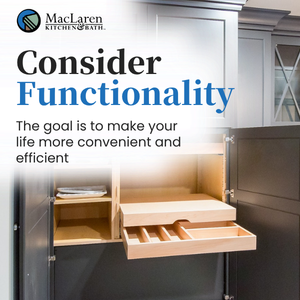
The goal is to make your life more convenient and efficient. Consider the cabinet door styles, the design, and the other factors that can affect your entire home.
Material Matters
Material choice for custom cabinets is crucial for aesthetics and durability. Solid wood remains a timeless and popular choice. It not only exudes warmth and character but also stands the test of time. Pay attention to the cabinet doors, as they play a significant role in defining the overall look.
Explore Inset Cabinet Doors
Inset cabinet doors are a classic design element that adds a touch of sophistication. These doors sit flush with the cabinet frame, creating a seamless and elegant look. If you like this style, discuss it with your cabinet maker for flawless execution.
Research Cabinet Makers
Not all cabinet makers are created equal. Seek experienced professionals with a proven track record in delivering quality custom cabinetry. Read reviews, ask for references, and view their portfolio to understand their craftsmanship.
How Custom Cabinets Are Built?
Understanding the custom cabinet construction process deepens your appreciation for the craftsmanship involved. Typically, the process involves:
Initial Consultation: This is where you share your ideas, preferences, and requirements. Measurements are taken, and the scope of the project is defined.
Design Phase: The cabinet maker creates detailed drawings and plans based on your input. It includes the overall layout, dimensions, and any specific design elements.
Material Selection: Once the design is approved, the selection of materials begins. It involves choosing the type of wood, finish, and hardware.
Craftsmanship: Skilled artisans bring the design to life, cutting and shaping the wood with precision. This phase requires meticulous attention to detail to ensure every piece fits perfectly.
Finishing Touches: The final steps involve applying the chosen finish, installing hardware, and conducting quality checks to ensure the custom cabinets meet the highest standards.
Should cabinets be lighter or darker than countertops?
This is one of the most frequently asked questions in any cabinetry consultation, and the right answer genuinely depends on your specific kitchen’s size, natural light, and your personal style preference.
Lighter cabinets with darker countertops create contrast and visual interest. This combination works well in larger kitchens where the dramatic pairing adds energy without making the space feel heavy. It is a popular choice in modern and transitional kitchens, often paired with a dark quartz or granite countertop against white or light gray cabinetry.
 Darker cabinets with lighter countertops add depth and sophistication. Lighter countertops — white quartz, light marble, or pale granite — help reflect light back into the space, preventing dark lower cabinets from making the kitchen feel closed in. This combination functions well in both large and smaller kitchens when paired with good task and ambient lighting.
Monochromatic schemes — where cabinets and countertops share similar tones — create a cohesive, seamless look. An all-white kitchen is the most common version of this, but warm wood-toned cabinets paired with butcher block or warm quartz work on the same principle. This approach tends to make smaller kitchens read as larger.
Natural light consideration: Kitchens with limited natural light should lean toward lighter cabinet finishes. If your kitchen faces north or is partially blocked by adjacent structures, lighter paint colors and lighter countertop materials make a material difference in how the space feels.
The best guidance: bring countertop and cabinet samples together under your kitchen’s actual lighting conditions before making a final decision. What looks right in a showroom under controlled lighting may read very differently in your space.
Things to Consider While Choosing Custom Cabinets
As you embark on the journey of selecting custom cabinets, keep these key factors in mind:
Quality vs. Cost
Custom cabinets are an investment. While it’s tempting to cut costs, compromising on quality can lead to dissatisfaction in the long run. Balance your budget with the desire for durable, high-quality cabinetry.
Timeline
Understand that crafting custom cabinets takes time. Discuss the timeline with your cabinet maker to manage expectations and plan accordingly, especially if you have a specific deadline, like a kitchen remodel.
Storage Space
Assess your storage needs realistically. Consider not only your current requirements but also potential future needs. A well-designed custom cabinet should adapt to your lifestyle changes over time.
Custom Kitchen Cabinets
If your project involves the kitchen, pay special attention to custom kitchen cabinets. They are the focal point of this space and should seamlessly blend functionality with aesthetics.
How Much Does Custom Cabinetry Cost? (2025 Data)
Custom cabinet pricing is genuinely difficult to estimate without a site visit and design consultation because every kitchen is different — different sizes, different wood species, different door styles, different installation complexity. That said, these benchmarks provide a useful planning framework.
 Per linear foot (installed, 2025):
Stock cabinets: $100–$300
Semi-custom cabinets: $150–$650
Custom cabinets: $500–$1,500+
Typical total project cost:
Small kitchen, stock or semi-custom: $5,000–$15,000
Mid-size kitchen, mid-range custom: $15,000–$30,000
Large or complex kitchen, high-end custom: $30,000–$60,000+
Bathroom or office cabinetry: $4,000–$15,000+, depending on scope
Source: Angi, 2025. Costs reflect national averages; Northeast US markets, including Chester County and the Greater Philadelphia area, typically run 10–15% above these figures.
The most accurate way to understand the cost for your specific project is to request a consultation and quote from a local custom cabinetry company. MacLaren Kitchen & Bath offers complimentary design consultations at our West Chester showroom.
It’s actually hard to provide an exact estimate since every kitchen is different. The best way to go about it is to contact a professional custom cabinetry company to get a more accurate and detailed quote.
Why Choose Custom Cabinets?
With the array of options available, you might wonder why custom cabinets are worth considering. Here are some compelling reasons:
Tailored to Your Space: Custom cabinets are designed and built specifically for your home. It ensures a perfect fit and maximizes every inch of available space.
Unlimited Design Options: The possibilities are endless, from materials to finishes, door styles to hardware. This level of customization allows you to create a unique look that reflects your style.
Durability and Longevity: Solid wood and quality craftsmanship ensure durable custom cabinets. These cabinets are built to last, withstanding busy households’ daily wear and tear.
Increased Home Value: Well-designed and crafted custom cabinets can add significant value to your home. Potential buyers often appreciate the attention to detail and quality of custom cabinetry.
Benefits of Choosing Custom Cabinetry for Your Home
Having custom cabinetry for your home provides countless advantages. A custom cabinet design that matches your entire home provides a seamless look.
Enhanced Aesthetics: Custom cabinets allow you to create a cohesive and visually appealing look that complements the style of your home.
 Optimized Storage: Say goodbye to wasted space. Custom cabinets are tailored to your specific storage needs, ensuring every corner is utilized efficiently.
Quality Craftsmanship: Skilled cabinet makers bring craftsmanship that mass-produced cabinets often lack. This attention to detail translates to a higher quality and longer-lasting product.
Personalization: Express your personality and style through custom cabinets. Customization is the key to whether you want a bold statement or subtle elegance.
Improved Functionality: Custom cabinets can be designed with your daily routines in mind. Incorporating features that enhance functionality makes your life easier.
How do you figure out what cabinets you need?
Determining your cabinet needs involves a few key steps:
Measure Your Space: Accurately measure the dimensions of your kitchen, including wall lengths, window and door placements, and ceiling height.
Assess Your Storage Needs: Consider what items you need to store and how much space they require. Think about pantry items, cookware, dishes, and small appliances.
Plan Your Layout: Decide on the layout that best suits your workflow and preferences. Common layouts include L-shaped, U-shaped, galley, and island kitchens.
Determine Cabinet Types: Choose the types of cabinets you need, such as base cabinets, wall cabinets, pantry cabinets, and specialty cabinets like corner cabinets or appliance garages.
Consider Functionality: Think about features like pull-out drawers, adjustable shelves, and soft-close hinges to enhance convenience and organization.
Set a Budget: Establish a budget for your cabinet project, considering materials, labor, and installation costs.
Consult with a Professional: If you’re unsure, consulting with a kitchen designer or cabinet specialist can help you make informed decisions.
How to Budget for Custom Cabinets?
Budgeting for custom cabinets involves careful consideration of various factors. Custom-made cabinets can be hefty and pricey. Here’s a step-by-step guide to help you plan financially:
Define Your Budget
Start by setting a realistic budget for your custom cabinetry project. Consider not just the cost of the cabinets, but also:
Installation
Hardware
Any additional features
 Prioritize Needs vs. Wants
 Prioritize Needs vs. Wants
Identify your non-negotiables and areas where you can be more flexible. This helps make informed decisions if adjustments are needed during the design process.
Get Many Quotes
Reach out to different cabinet makers to get quotes for your project. It allows you to compare prices, services, and the quality of the materials.
Factor in Additional Costs
Remember to include any extra costs, such as installation, delivery, and taxes, in your budget. It prevents unexpected financial surprises later in the process.
Plan for Contingencies
While you aim to stick to your budget, it’s wise to set aside a contingency fund for unforeseen expenses that may arise during the project.
Is it cheaper to buy cabinets or have them built?
The cost of buying versus building cabinets varies depending on several factors:
Buying Stock or Semi-Custom Cabinets: Stock cabinets are pre-made and typically the most affordable option. Semi-custom cabinets offer more customization options but come at a higher price.
Custom-Built Cabinets: Custom cabinets are built to your exact specifications, offering the highest level of customization and quality. However, they are generally the most expensive option.
Materials: The type of wood, finish, and hardware you choose will significantly impact the cost.
Labor: If you hire a professional to install pre-made cabinets or build custom ones, labor costs will add to the overall expense.
DIY: Building cabinets yourself can save labor costs, but it requires woodworking skills and tools.
Complexity: Intricate designs and specialized features will increase the cost of both pre-made and custom cabinets.
In general, stock cabinets are the most budget-friendly, while custom-built cabinets offer the highest quality and customization but come at a premium.
Final Thoughts
Choosing custom cabinetry is a significant decision that transforms the look and feel of your home. From defining your style to budgeting, each step contributes to creating a unique space. Invest in quality craftsmanship, prioritize functionality, and relish in the joy of custom cabinets that elevate your home and your daily life.
These insights guide you on how to choose custom cabinetry for your precious home.
Frequently Asked Questions
Is custom cabinetry worth the cost compared to semi-custom or stock?
Yes. Custom cabinetry offers a perfect fit with no wasted space, high quality materials, and a personalized design that outlasts stock options by decades. It significantly boosts home resale value, making it a premier investment for long-term homeowners.
How long does custom cabinetry take from order to installation?
Typically, the process takes 8–14 weeks from design approval to installation. In contrast, semi-custom lines take 4–8 weeks, and stock cabinets are usually available immediately.
What is the most durable wood for kitchen cabinets?
Oak and hard maple are the most durable for resisting dents and scratches. While walnut and cherry offer beautiful aesthetics, the cabinet’s long-term durability relies more on high-quality finishes and plywood box construction than the wood species alone.
Can custom cabinets incorporate appliances and specialty features?
Absolutely. Custom work allows for seamless integration of appliances like refrigerators and microwave drawers. “Panel-ready” designs cover appliance fronts with matching cabinetry for a cohesive, high-end look impossible to achieve with stock lines.
What is the difference between face-frame and frameless cabinets?
Face-frame cabinets have a wood frame on the front for a traditional look and extra rigidity. Frameless (European-style) cabinets attach doors directly to the box, providing a sleek, modern aesthetic and slightly more interior access.